
The Interview Era: 10 Do’s & Don’ts
What can Taylor Swift lyrics teach us about interviewing? Surprisingly, quite a bit. From knowing when to “calm down” to remembering that sometimes the long story really should be short, we’re sharing 10 interview do’s and don’ts inspired by Taylor lyrics—with practical advice to help candidates prepare, communicate confidently, and make a great impression. Consider this your interview prep, Taylor’s Version.

Your Online Presence Speaks Before You Do
For candidates pursuing trusted roles, your online presence may make an impression before you ever walk into an interview. Executive Assistants, Personal Assistants, Chiefs of Staff, Estate Managers, and Family Office professionals are often hired for judgment and discretion as much as experience—and employers may look at what you've made publicly available online.
From Instagram and Facebook to LinkedIn and a simple Google search, what does your digital footprint say about you? Here’s why candidates should audit their online presence before a job search—and how to make sure it isn’t quietly working against them.

Flexibility Equation: Why EAs Need Flexibility
Senior Executive Assistants are often expected to operate outside the boundaries of a traditional 9-to-5—so should they always be held to a traditional office schedule? We explore why thoughtful flexibility for senior, trusted EAs can strengthen executive partnerships, improve retention, build trust, and recognize the unique demands of supporting top leadership.

Growing Fast? Keep Things From Falling
Growth creates complexity. Projects multiply, information becomes fragmented, and important initiatives can easily stall when nobody has clear ownership or visibility. Exceptional Executive Assistants help prevent this by building the systems that keep organizations aligned—from centralized project tracking and leadership action plans to organizational knowledge management. The result? Greater accountability, fewer dropped balls, and a business that can scale without losing momentum.

Elite EAs Think Beyond the Itinerary
Most people think travel support is about booking flights and hotels. In reality, exceptional Executive Assistants and Chiefs of Staff are managing risk, anticipating disruptions, and solving problems before they happen. From monitoring weather and tracking flights to coordinating drivers and preparing backup plans, their goal is simple: create a seamless travel experience where every detail feels effortless because someone has already thought three steps ahead.
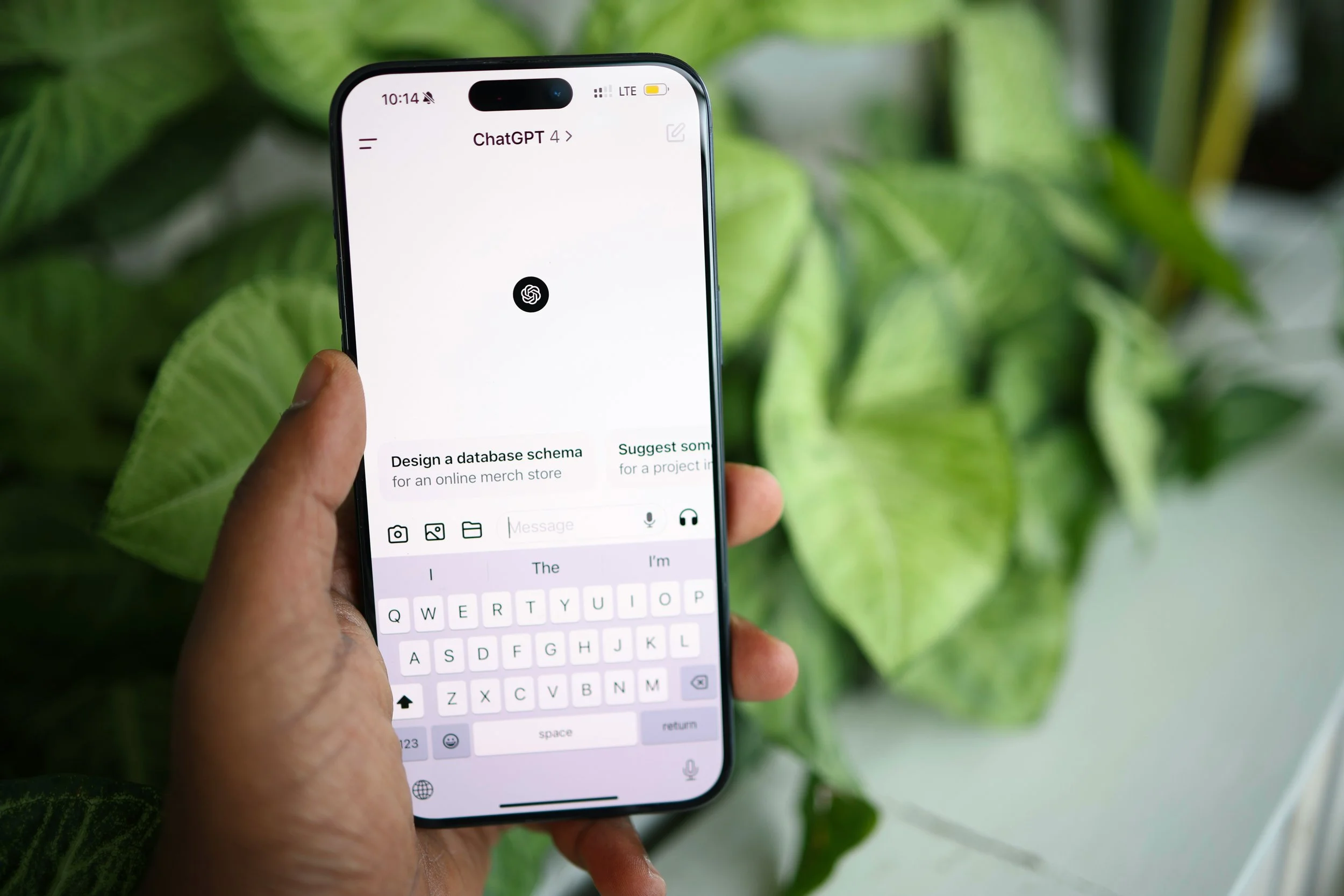
The Executive Assistant’s Guide to Using ChatGPT
In today’s fast-paced world, the role of the Executive Assistant is evolving — and mastering tools like ChatGPT has become a true game changer. When used intentionally, ChatGPT can draft polished emails, conduct detailed research, streamline workflows, and provide rapid clarity, allowing assistants to step out of reaction mode and operate as strategic partners who anticipate needs rather than simply respond to them

The Ultimate Productivity Stack: Using Superhuman
In an era where information moves relentlessly fast, managing communication and workflow with precision isn’t optional—it’s essential. Tools like Superhuman, Grammarly, and Coda io create a streamlined ecosystem that helps professionals process high-volume correspondence efficiently, polish every message, and turn email threads into clear, actionable tasks—transforming the path from inbox to execution.

Slack 101: How to Communicate and Collaborate
In our guide on Slack (Slack) “101: How to Communicate and Collaborate,” we highlight how Slack transforms team interaction—from structured channels that keep conversations organized to real-time features like huddles and clips that replace endless email threads. By leveraging its integrations and promoting clear communication norms, assistants and support professionals can turn Slack from a chat tool into a strategic collaboration platform.

How to Elevate through Hospitality-Mindset
Elevating the support role goes well beyond tasks—it’s about adopting a service-first mindset. By thinking like a host rather than a responder, you anticipate needs, design experiences, build meaningful connections and transform daily interactions into seamless moments of value.

Best Apps for EAs: Tools That Keep You Efficient
In today’s high-velocity support roles, the right digital tools aren’t a luxury—they’re essential. The most effective apps help Executive Assistants streamline scheduling, manage overflowing inboxes, automate repetitive tasks, and maintain clarity even in chaotic environments—freeing time and energy for deeper, more strategic work.

The Executive Travel Playbook
Planning business travel isn’t just about booking flights and hotels - it’s about creating a seamless experience that allows your executive to stay focused, prepared, and stress-free. From understanding their preferences to managing last-minute changes, this guide equips executive assistants with everything they need to plan smart, anticipate needs, and execute each trip with precision. Whether it’s their first trip or their fiftieth, you’ll be ready to make it smooth, strategic, and successful.

Gmail: Mastering Inbox, Follow-Through, Flow
Every role that supports an executive becomes more powerful when it’s built on structured systems, not just completing tasks. The real leverage comes from designing repeatable workflows, automating routine steps, and bringing deliberate clarity to priorities—so the professional becomes a driver of strategic momentum rather than merely a responder.

Sharing Growth and Developed in an Interview
Talking about growth and development in an interview can feel uncomfortable, especially when you're trying to balance confidence with humility. The strongest candidates don't simply list accomplishments—they tell a story of how they embraced challenges, learned new skills, adapted to feedback, and evolved over time. In this article, we explore how to communicate professional growth in a way that demonstrates self-awareness, resilience, and a genuine commitment to continuous improvement, helping interviewers see not just where you've been, but where you're capable of going.

A Great Calendar: The Backbone of an Organized Day
Every role that supports an executive becomes more powerful when it’s built on systems, not just tasks. The secret lies in designing repeatable workflows, automating routine steps, and creating clarity around priorities so the executive assistant becomes a driver of strategic momentum—not just a responder to requests.

Executive Presence: Beyond the Calendar
When people think of Executive Assistants, they often think of calendars, travel arrangements, and meeting coordination. But the most impactful EAs bring something much deeper to their organizations: executive presence. Through sound judgment, proactive communication, discretion, adaptability, and leadership behind the scenes, exceptional assistants become trusted strategic partners. In this article, we explore what executive presence looks like beyond administrative tasks and how it enables EAs to influence outcomes, strengthen leadership teams, and create meaningful organizational impact.

Starting a Side Business and Don’t Know Where to Start?
Starting a side business can feel overwhelming, but with the right tools and a step-by-step approach, you can get up and running smoothly. From incorporating your business using Stripe Atlas to setting up a professional website with Squarespace or Wix, there are solutions that make the process easier. Don’t forget to open a business bank account, manage your finances with QuickBooks, and create a professional email through Google Workspace. If you need to pay employees or contractors, Gusto can simplify payroll. With these essentials in place, you’ll be well-equipped to launch your side hustle successfully.


7 Ways to Shift from “It’s Not My Job”
When teams fall behind, it’s rarely about talent - it’s about ownership. Whether you're supporting the C-suite or guiding operations behind the scenes, the difference between surviving and thriving often comes down to one thing: shared responsibility. This isn’t just about who’s accountable for what. It’s about stepping forward, choosing to care, and leading from wherever you are. Explore seven ways Executive Assistants and Chiefs of Staff can help shift teams from blame to breakthrough—and build a culture where everyone delivers, together.

5 Ways to Achieve Your Goals: Planning and Daily Habits
Achieving your goals doesn’t happen overnight—it’s the result of consistent effort, thoughtful planning, and habits that align with your vision. Success starts with clarity: defining what you want and breaking it into manageable steps. By establishing daily routines, visualizing success, and regularly assessing your progress, you create a system that supports growth. Remember, the secret isn’t in occasional leaps but in the small, intentional actions you take every day. As John C. Maxwell wisely said, "The secret of your success is found in your daily routine." Let’s explore how you can put these principles into practice.

Three Distinct Roles - Hire for Success
To build a truly strong support team, it’s vital to differentiate between three distinct hiring profiles—each with its own purpose, skill set and impact. When you clearly define whether you need a strategist who drives big-picture priorities, an executor who masters operations and rhythm, or a specialist with deep expertise in a niche area, you avoid role confusion, set clear expectations from day one and dramatically increase your chances of hiring for success.